
What Makes Professional Whitening Different?
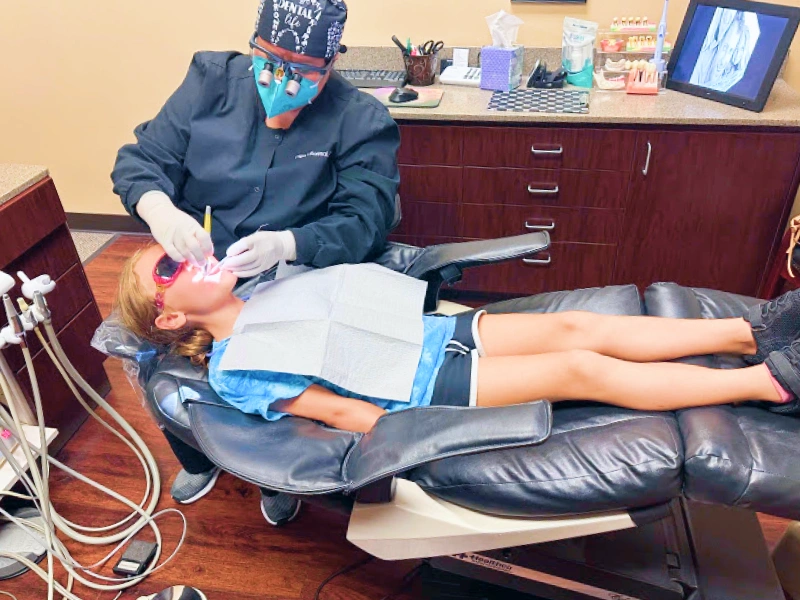
When you walk into a dental office seeking a brighter smile, you’re accessing treatment options that surpass over-the-counter products in both safety and effectiveness. Professional whitening procedures utilize higher concentrations of bleaching agents, specifically peroxide-based formulas that penetrate tooth enamel more deeply than store-bought strips or toothpastes. Dental professionals conduct thorough examinations before treatment begins, identifying potential issues such as cavities, gum disease, or enamel erosion that could compromise results or cause sensitivity. This personalized assessment ensures your oral health remains protected throughout the whitening process. In-office procedures typically deliver visible results in a single visit, often lightening teeth by several shades within one to two hours. The controlled environment allows for precise application, with protective barriers placed over gums and soft tissues to prevent irritation. Advanced techniques may incorporate special lights or lasers to activate whitening agents, accelerating the brightening process. Take-home professional kits offer another effective option, featuring custom-fitted trays molded to your exact dental structure. These trays ensure even distribution of whitening gel across all tooth surfaces, eliminating the gaps and uneven coverage common with generic store products. While results take longer to appear compared to in-office treatments, typically requiring one to two weeks of consistent use, the gradual approach often reduces sensitivity concerns.
Why Choose Professional Treatment?
Professional whitening delivers advantages that extend far beyond cosmetic improvement. The supervised nature of dental office treatments ensures your overall oral health remains the priority throughout the enhancement process. Safety stands as the primary benefit of choosing professional care. Dentists evaluate your teeth and gums before recommending any whitening protocol, identifying existing restorations like crowns or veneers that won’t respond to bleaching agents. This prevents the disappointment of uneven results and helps you make informed decisions about achieving a uniform appearance. Longer-lasting results distinguish professional treatments from retail alternatives. The higher-grade formulations used in dental offices penetrate deeper into tooth structure, targeting stubborn stains from coffee, tea, red wine, and tobacco more effectively. With proper maintenance and occasional touch-ups, professional whitening can maintain your enhanced smile for one to three years, whereas over-the-counter products typically fade within a few months. Customized treatment plans address your specific concerns and goals. Some patients seek dramatic transformation before weddings or important events, while others prefer gradual, subtle improvement. Dental professionals adjust concentration levels, application times, and treatment frequency to match your desired outcome and sensitivity threshold. The confidence boost accompanying a brighter smile often motivates better oral hygiene habits. Patients who invest in professional whitening tend to brush more consistently, floss regularly, and schedule routine cleanings to preserve their investment. This positive cycle contributes to improved long-term dental health beyond the cosmetic benefits.
How to Maximize Your Whitening Results
Achieving optimal results begins before your whitening appointment. Schedule a professional cleaning one to two weeks prior to treatment, as removing plaque and tartar buildup allows whitening agents to work more uniformly across tooth surfaces. Clean teeth also help your dentist accurately assess your current shade and set realistic expectations for improvement. Avoid staining substances for at least 48 hours before your procedure. Coffee, tea, red wine, berries, and dark sauces can create temporary surface discoloration that interferes with initial results. Similarly, tobacco products should be discontinued during this preparation period and ideally avoided altogether for lasting benefits. The first 24 to 48 hours after whitening treatment represent a critical window for protecting your investment. Teeth become temporarily more porous following bleaching procedures, making them especially susceptible to staining during this period. The Jersey Village area’s warm climate often means residents enjoy iced coffee and cold beverages throughout the day, but switching to clear or light-colored drinks during this crucial timeframe prevents premature discoloration. Adopt a white diet immediately after treatment, focusing on foods that won’t compromise your newly brightened smile. Plain chicken, fish, white rice, pasta with light sauces, bananas, and clear broths provide nourishment without staining risk. Avoid tomato-based dishes, soy sauce, balsamic vinegar, and brightly colored condiments until the 48-hour window closes. Manage sensitivity proactively if it occurs. Some patients experience temporary tooth sensitivity to hot, cold, or sweet stimuli following whitening. Using toothpaste formulated for sensitive teeth, avoiding extreme temperature foods, and applying desensitizing gel recommended by your dentist can provide relief. This sensitivity typically resolves within a few days as teeth remineralize.
Strategies for Lasting Brightness
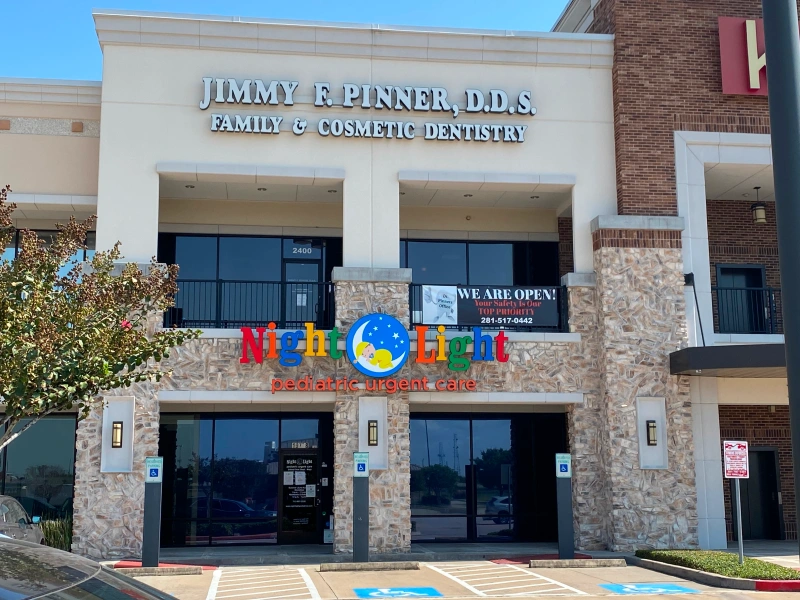
Preserving your professional whitening results requires consistent daily habits and periodic maintenance. The effort invested in aftercare directly correlates with how long your enhanced smile remains vibrant. Brush within 30 minutes after consuming staining foods or beverages whenever possible. This simple practice prevents pigments from settling into tooth enamel, particularly important for Jersey Village residents who frequently dine at the area’s diverse restaurants offering cuisines with rich sauces and spices. Carrying a travel toothbrush for use after lunch meetings or social gatherings provides an easy solution. Use a straw when drinking beverages known to cause discoloration. Coffee, tea, cola, and red wine contact fewer tooth surfaces when consumed through a straw, significantly reducing staining potential. While this adjustment may feel unusual initially, it becomes second nature and makes a measurable difference in maintaining whiteness. Schedule professional cleanings every six months to remove surface stains before they penetrate deeply. These routine appointments also allow your dental team to monitor your oral health and recommend touch-up treatments when brightness begins to fade. Many patients find that annual or biannual touch-ups maintain their desired shade indefinitely. Consider touch-up treatments strategically. If you notice gradual yellowing after several months or years, a single in-office session or a few nights using your custom trays can restore your original results. These maintenance procedures require less time and lower concentrations than initial treatments because you’re addressing minor discoloration rather than years of accumulated staining. Jimmy F. Pinner, DDS Houston Family & Cosmetic Dentistry provides personalized whitening solutions tailored to your goals and lifestyle. With a thorough understanding of how different techniques affect various tooth types and stain patterns, the practice helps Jersey Village patients select the most effective approach for their unique needs. The professional guidance ensures you achieve safe, beautiful results while protecting your long-term oral health through careful monitoring and customized aftercare recommendations.
What You Need to Know Before Starting
Understanding common concerns helps you approach whitening with realistic expectations and confidence in your decision.
How white can my teeth actually become?
Natural tooth color varies significantly among individuals, determined by genetics, enamel thickness, and underlying dentin shade. Most patients lighten by three to eight shades during professional treatment, though extremely dark or gray-toned teeth may require more sessions to reach desired brightness. Your dentist can show you shade guides and predict likely outcomes based on your starting point.
Will whitening damage my enamel?
When performed correctly under professional supervision, whitening procedures do not harm tooth structure. The peroxide-based agents used in dental offices temporarily open pores in enamel to remove stains, then teeth remineralize naturally afterward. Following recommended application times and concentration levels ensures safety throughout the process.
Does whitening work on all types of discoloration?
Yellowish stains caused by food, beverages, and aging respond exceptionally well to bleaching treatments. Grayish discoloration from certain medications like tetracycline proves more resistant and may require alternative cosmetic solutions such as veneers. Stains originating inside the tooth structure may need internal bleaching techniques performed by your dentist.
How long does sensitivity last after treatment?
Most patients experience little to no sensitivity, especially when using professional products formulated with desensitizing ingredients. When sensitivity does occur, it typically resolves within 24 to 72 hours. Your dentist can recommend fluoride treatments or potassium nitrate gels to minimize discomfort and accelerate recovery.
Can I whiten if I have dental work?
Whitening agents only affect natural tooth enamel and do not change the color of crowns, veneers, bonding, or fillings. If these restorations appear in visible areas, they may require replacement after whitening to match your new, brighter shade. Discussing existing dental work with your provider before treatment prevents unexpected aesthetic mismatches.
What makes results fade over time?
Daily exposure to staining substances gradually dulls whitened teeth, though this process occurs slowly with proper care. Smoking accelerates discoloration significantly, as do frequent consumption of coffee, tea, and red wine without preventive measures. Natural aging also causes teeth to yellow as enamel thins and underlying dentin becomes more visible.
Taking the step toward a brighter smile transforms more than your appearance. The process connects you with dental professionals who prioritize your health while helping you achieve aesthetic goals that boost confidence in both personal and professional settings. Understanding the science, benefits, and maintenance requirements empowers you to make informed choices that deliver lasting satisfaction.